
Key Takeaways
- Glass lid watch boxes offer genuine visual appeal and practical benefits, but they involve real trade-offs compared to fully enclosed alternatives.
- A glass lid allows you to view your collection at a glance without opening the box - this is a functional benefit, not just an aesthetic one.
- Glass provides less insulation against dust and UV light than an opaque, fully sealed lid, depending on the quality of the seal and the glass type.
- The weight and rigidity of glass contribute positively to the structural feel of the box, but also make the lid more vulnerable to cracking under impact.
- Where you place the box matters significantly - a glass lid watch box in direct sunlight behaves very differently from one kept on a shaded shelf in a controlled room.
- For most home display contexts in a stable environment, a quality glass lid watch box provides both adequate protection and superior presentation.
- Collectors who prioritise maximum environmental protection above all else may find a fully enclosed leather or wooden box better suited to their needs.
There is a point in almost every collector's journey where the question of display becomes as relevant as the question of storage. A watch left in a drawer or a closed box is protected, but it is not enjoyed. There is something quietly satisfying about being able to see a collection arranged well, and a glass lid watch box is one of the most direct expressions of that idea.
But the display versus protection question is worth taking seriously. Glass lid boxes are not universally suitable for every collector in every situation, and the marketing around them does not always make the trade-offs clear. This post works through what a glass lid actually adds and what it costs, so you can make an informed decision for your own collection.
At Lux Watch Care, we work with Australian collectors who range from those keeping a single precious timepiece to those managing extensive collections. The display question comes up often, and the answer is genuinely nuanced.
What a Glass Lid Actually Does
Before getting into the trade-offs, it is worth being precise about what a glass lid watch box is and what it does. A glass lid box is a watch storage case in which the top surface - usually the full width of the box - is made from glass or a transparent acrylic, allowing the contents to be viewed without opening the lid.
The primary function is visual access. You can see your watches at a glance, assess which piece you want to wear, and appreciate the collection as a display rather than a closed container. This is a genuine convenience, not a trivial one - for collectors who rotate between several pieces regularly, being able to see the collection in one view is more practical than opening and closing a solid-lidded box repeatedly.

The secondary effect is presentational. A watch box with a glass lid, placed on a dresser or shelving unit, functions partly as a display piece in its own right. The watches become part of the room's aesthetic rather than being hidden away entirely. For collectors who have invested in pieces they find visually compelling, this is an appealing characteristic.
The Protection Considerations
Here is where the conversation becomes more nuanced. Protection in the context of a watch box covers several distinct things: physical impact, dust infiltration, UV exposure, humidity management, and temperature stability. A glass lid affects some of these more than others.
Physical impact is the most obvious consideration with glass. A glass lid is more vulnerable to cracking or shattering from a sharp impact than a leather or solid wood lid. In practice, a watch box sitting on a stable surface in a home environment is rarely subjected to the kind of impact that would crack a properly fitted glass lid - but it is a meaningful difference compared to a rigid, opaque alternative. The watches themselves are generally not at greater risk from the glass lid than from a solid lid, since the structural base and sides of the box provide the primary impact protection for the pieces inside. The glass lid's vulnerability is primarily to the lid itself.
Dust infiltration depends almost entirely on how well the lid seals when closed. A glass lid that fits with a snug seal along all four edges is not meaningfully worse at keeping dust out than a solid lid with the same seal quality. A glass lid that sits loosely or has visible gaps will allow dust ingress over time. When evaluating a glass lid watch box, the quality of the fit and the materials used for the seal or hinge area deserve more attention than the glass itself.
UV exposure is the consideration that merits the most careful thought. Glass transmits a significant portion of UV light, and UV light can cause fading and degradation of certain materials over time - including some strap materials, specific case finishes, and the cushion and lining materials inside the box. Standard glass transmits a higher proportion of UV than most people assume. If a glass lid watch box is positioned anywhere near a window, or in a room with significant natural light exposure, UV accumulation over months and years is worth considering.
This concern is often overstated for watches stored in rooms without direct sun exposure. In a controlled environment away from windows - a bedroom, walk-in wardrobe, or study with diffuse light - UV exposure through a glass lid is generally not a practical concern for most modern watch finishes. For vintage watches with particularly sensitive lacquer finishes or original straps, more caution is warranted.
Temperature and humidity are less directly affected by whether the lid is glass or opaque, and more by the overall construction and sealing of the box. Neither type of lid provides meaningful active climate control. Placement in a stable, climate-controlled home environment is the more significant factor for both temperature and humidity management, regardless of lid type.
The Display Argument, Made Properly
Having addressed the protection considerations honestly, the case for a glass lid box is worth making equally clearly.
For a collector who stores watches in a reasonably stable home environment, away from direct sunlight and in a climate-controlled room, the protection difference between a glass lid and a solid lid is modest in practice. The dust seal matters; the lid material matters less. The UV concern is real but manageable through placement. The impact vulnerability of the glass is real but rarely triggered in a home setting.
Against these modest and manageable trade-offs, the glass lid provides something that a solid lid simply cannot: the ability to see and appreciate the collection without disturbing it. This matters more than it might initially sound.
A watch sitting in a closed box is, in a meaningful sense, not part of the room or the daily experience of the collector. A watch visible through a glass lid occupies a different role - it is present, accessible, and part of the visual environment. For many collectors, this is precisely why they have invested in the pieces they have, and denying that enjoyment in the name of marginal additional dust protection is a trade-off that does not always serve the collector well.
There is also the practical point that being able to see the collection at a glance means you are more likely to rotate pieces regularly, which is actually better for mechanical watches. A watch that sits unseen in a closed box may be forgotten for weeks at a time; a watch visible in a glass lid display is more likely to be worn, wound, and cared for consistently.
Where and How You Place the Box Matters Most
The single most important variable in how well a glass lid watch box serves your collection is not the box itself - it is where you put it.
A glass lid watch box on a north-facing windowsill in direct sunlight is a poor storage choice, regardless of how beautifully made the box is. The same box on a stable shelf in a shaded bedroom, away from heat sources and windows, is an excellent storage choice that provides both presentation and adequate protection.
Treat placement as a deliberate decision rather than an afterthought. The shelf or surface should be stable and away from foot traffic areas where incidental impact is possible. The position should be away from windows and direct natural light. The room should be one where temperature and humidity are reasonably consistent - which in most Australian homes means an air-conditioned living space rather than a garage or storage room.
For collectors who want to understand more about what proper watch storage looks like beyond just the box itself, our post on building good habits around watch storage and daily care addresses the broader approach that experienced collectors take to keeping their pieces in good condition.
Glass Lid vs Fully Enclosed: Who Should Choose What
A glass lid watch box is the right choice for collectors who:
Store their watches in a stable, controlled home environment away from direct light. Rotate their collection regularly and value being able to see pieces at a glance. Appreciate the presentational quality of a display piece as part of their space. Have modern watches with robust finishes rather than particularly delicate vintage pieces.
A fully enclosed, opaque box is the better choice for collectors who:
Store watches in environments with variable light exposure or where UV is a genuine concern. Have particularly sensitive vintage pieces where strap or finish degradation is a specific worry. Prioritise maximum dust sealing or prefer not to see the collection as part of the room's aesthetic. Store pieces for longer periods without regular rotation.
Many collectors end up using both - a glass lid display box for the pieces in active daily rotation, and a more protective enclosed case for less-worn pieces or for storage during travel and extended non-use. This combination approach is one of the most practical solutions for a growing collection.
What to Look For in a Quality Glass Lid Box
If you decide that a glass lid watch box suits your situation, the specific product you choose determines how well it delivers on both display and protection.
The glass quality matters. Thicker glass is more resistant to incidental impact and typically provides a cleaner optical quality. Some higher-end boxes use tempered glass, which is more impact-resistant than standard glass and, if it does break, tends to fracture into safer fragments.
The lid fit and seal deserve close attention. The glass should sit firmly within its frame with no visible gaps. Hinges should operate smoothly without excessive play. A lid that wobbles or sits unevenly is a sign of construction shortcuts that will affect the box's dust sealing and structural integrity over time.
The interior cushioning should be soft, non-abrasive, and well fitted for the slot count. Watches should sit securely in their individual cushions without excessive movement when the box is repositioned.
Our leather watch box collection at Lux Watch Care includes options across different sizes and configurations, designed for collectors who want storage that takes both function and presentation seriously. The large 24 slot retro leather watch display box suits collectors managing a substantial collection in a single display unit. For a mid-sized collection, the vintage cowhide leather 12 slot watch box provides considered storage capacity with the quality of cowhide construction. Collectors building out from a smaller rotation may find the 8-10-12 slot vintage leather watch box a practical starting point that allows the collection to grow into the available space.
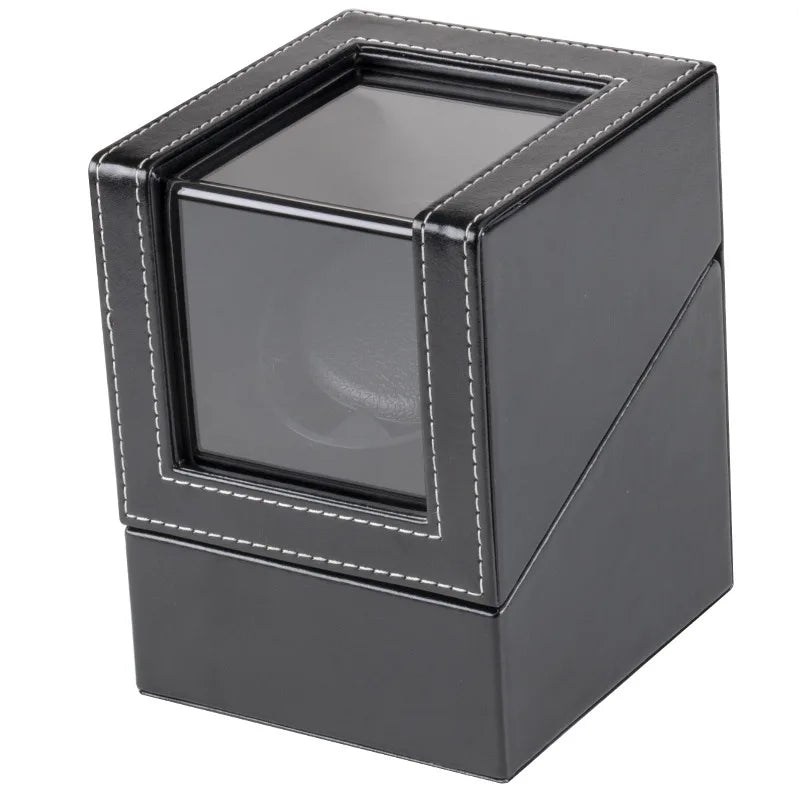
For those who have decided that a glass-topped winder is the right solution for an active automatic piece alongside a display case, our single watch winder wooden box with glass display combines the functional benefits of a winder with the presentational quality of a visible display - a combination that suits collectors who want their automatic watch both wound and visible.
Our post on choosing the right watch box size and format for your collection is a practical companion guide if you are still working through the specific format that suits your collection, and our overview of the difference between a watch roll and a watch case for different use cases covers the broader decision framework across storage formats.
The Practical Conclusion
A glass lid watch box involves real trade-offs, but in most home display contexts, those trade-offs are manageable and the benefits are genuine. The ability to see and enjoy a collection daily, combined with the visual quality of a well-made display box, represents real value for collectors who have invested meaningfully in their pieces.
The key is to make the decision with clear eyes about placement, environment, and what you are actually prioritising - display accessibility, maximum protection, or a reasonable balance of both. Most collectors, once they understand the variables, find that a quality glass lid box placed thoughtfully serves their collection well.
At Lux Watch Care, we are glad to help you work through the right choice for your situation and collection.
Reach out to the Lux Watch Care team here and we will help you find a storage solution that genuinely fits.
Frequently Asked Questions
Are glass lid watch boxes good for protecting watches?
Glass lid watch boxes provide adequate protection in most stable home environments, with the main considerations being UV exposure if placed near windows, dust sealing quality based on how well the lid fits, and the glass lid's greater vulnerability to cracking compared with a solid opaque lid. For watches stored away from direct light in a climate-controlled room, a quality glass lid box is a practical and appropriate storage choice.
Does a glass lid let in UV light that can damage watches?
Standard glass does transmit a portion of UV light, and UV exposure over time can contribute to fading of certain strap materials and finishes. In practice, this is a meaningful concern for boxes positioned near windows or in rooms with high natural light exposure. For boxes placed in stable, shaded home environments away from direct sunlight, UV accumulation through a glass lid is generally a modest concern for modern watches with robust finishes.
What is the difference between a glass lid and acrylic lid watch box?
Both glass and acrylic (perspex) lids provide clear visibility into the box. Glass tends to offer better optical clarity and scratch resistance, while acrylic is lighter and less likely to crack from impact. Acrylic can scratch more easily from routine cleaning, which can degrade the clarity of the lid over time. Higher-quality watch boxes typically use glass rather than acrylic for its superior durability and appearance.
How do I keep dust out of a glass lid watch box?
The primary factor in dust control is the quality of the seal where the lid meets the box frame. A lid that fits snugly with consistent contact along all edges will keep dust ingress minimal. Dust can be further managed by keeping the box in a reasonably clean environment, avoiding placement near air vents that circulate dust, and periodically wiping the exterior and interior with a soft cloth when performing routine maintenance on your watches.
Can I store an automatic watch in a glass lid watch box?
Yes, but a glass lid watch box alone will not keep an automatic watch wound. A watch stored unworn in any box will run down once its power reserve is exhausted. If you want your automatic watch visible and wound simultaneously, a glass-topped automatic watch winder combines both functions. Otherwise, a display box suits automatics that are worn regularly enough to stay wound through daily use.
Where should I place a glass lid watch box at home?
The ideal placement is on a stable surface in a climate-controlled room, away from windows and direct natural light, away from heat sources, and away from high-traffic areas where the box might be knocked or bumped. A bedroom dresser, study shelf, or walk-in wardrobe shelving unit in a well-maintained home environment are all appropriate locations. Avoid placing a glass lid box in areas with variable temperature and humidity, such as garages, storage rooms, or near air conditioning vents that direct airflow onto the box.
Is a glass lid watch box better than a fully enclosed box?
Neither is categorically better - they suit different situations and priorities. A glass lid box is well suited to display-oriented collectors in stable home environments who value being able to see their collection at a glance. A fully enclosed box is better suited to collections stored in variable light conditions, vintage pieces with sensitive materials, or collectors who prioritise maximum environmental sealing over display access. Many collectors use both formats for different pieces depending on rotation frequency and storage context.