
Getting your first proper watch is one of those purchases that feels different from most. There is something about wearing a mechanical timepiece - knowing what is going on inside it, understanding that it needs a certain amount of care to perform well - that changes how you think about it. It stops being just an object and starts being something you want to look after properly.
The good news is that looking after a watch well is not complicated. It does require knowing a few things upfront that most new owners are not told. At Lux Watch Care, we work with watch enthusiasts across Australia at every stage of their collecting journey, and the questions we hear most often from newer owners tend to cluster around the same practical topics. Here is a straightforward guide to the fundamentals.
Understand What Type of Movement You Have
Before anything else, it helps to understand what is powering your watch, because the care requirements differ depending on the movement type.
A manual-wind mechanical watch requires you to wind it yourself, typically by turning the crown clockwise once per day until you feel gentle resistance. Stop winding as soon as you feel that resistance - there is no benefit in forcing it further, and doing so can stress the winding mechanism over time.
An automatic watch winds itself through the natural motion of your wrist as you wear it. If you wear it most days, the rotor inside the movement will keep the mainspring adequately tensioned without any intervention from you. If it has been sitting unworn for a day or more and has run down, give the crown 20 to 30 slow, smooth turns clockwise to restart it before putting it on.
A quartz watch runs on a battery and requires almost no winding-related care, though the battery should be replaced promptly when it runs down rather than leaving a depleted cell inside the case, where it can occasionally leak and damage internal components.
Learn to Set the Time and Date Correctly
This sounds basic, but there is a specific risk that new owners of mechanical watches are often unaware of: setting the date at the wrong time of day.
Most mechanical movements with a date function use a set of gears that begin engaging to change the date at some point in the evening and complete the change in the early hours of the morning. The exact window varies by movement, but as a general rule, avoid adjusting the date when the hands are positioned roughly between 9 PM and 3 AM. Making date adjustments during this window can interfere with or damage the calendar mechanism.
If you need to change the date, move the hands forward past 3 AM first to clear the change cycle, then adjust the date normally.
It is also good practice to always advance the hands forward when setting the time rather than turning them backwards. While many modern movements can handle this without issue, turning the hands counter-clockwise - particularly on older or vintage pieces - can place stress on parts of the gear train that are not designed to handle reverse tension.
One additional habit worth forming: remove the watch from your wrist before adjusting the crown. The angle required to wind or set a watch while wearing it can put lateral strain on the crown stem, which is a relatively fine piece of metal connecting the crown to the movement. Snapping a crown stem is a repairable but avoidable expense.
Understand What Water Resistance Actually Means
Water resistance ratings are widely misunderstood, and the misunderstanding tends to lead to avoidable damage.
A rating of 30 metres or 3 ATM does not mean the watch is suitable for swimming. It indicates resistance to splashes and brief contact with water - washing hands, for example - under controlled test conditions. A rating of 50 metres is similarly limited in practice. Watches rated at 100 metres and above are generally considered suitable for swimming, while ratings of 200 metres and above are appropriate for more demanding water activities.
Beyond the rating itself, there is a more fundamental point: water resistance is not a permanent characteristic. It depends on the condition of rubber gaskets around the crown, case back, and crystal. These gaskets degrade over time through exposure to heat, UV light, chemicals (including sunscreen and cleaning products), and the physical stress of everyday use. A watch that passed a water resistance test when it was manufactured may offer significantly less protection several years later if the seals have not been maintained.
For watches that are regularly worn in or around water, having the gaskets inspected and pressure-tested once every one to two years is a reasonable practice. Always ensure the crown is fully closed - or screwed down, if your watch has a screw-down crown - before the watch contacts any water. And never operate the crown or any pushers while the watch is wet or submerged.
Keep Your Watch Away From Strong Magnetic Fields
This is probably the most overlooked practical care tip for new watch owners, because the sources of magnetic fields are so ordinary.
Smartphones, laptop speakers, tablet covers with magnetic clasps, handbag magnetic closures, some desk accessories, and even certain pieces of furniture can generate magnetic fields strong enough to affect a mechanical watch's accuracy. The hairspring inside the movement - a fine coil of metal that regulates the balance wheel's oscillation - is particularly sensitive. When it becomes magnetised, the coils can stick together, shortening the effective length of the spring and causing the watch to run noticeably fast.
The effect does not always disappear when the watch moves away from the magnetic source. Residual magnetism can persist and continue affecting accuracy until the watch is professionally demagnetised, which is a quick and affordable service at any reputable watchmaker.
Keeping your watch in dedicated storage when not in use - rather than next to your phone or on a bedside table near an electronic device - is the simplest way to reduce magnetic exposure. Our guide on how to protect your watch from magnetism covers the topic in more detail for collectors who want to understand the mechanics behind it.
Clean Your Watch Regularly and Thoughtfully
Skin oils, sweat, dust, and general grime accumulate on a watch with regular wear. Left to build up over time, particularly in areas like the gap between bracelet links or around the crown, this debris can degrade materials and in some cases work its way into the case.
For most watches, a wipe with a soft, dry microfibre cloth after each wear is sufficient to keep the case and crystal clean. For metal bracelets, periodic cleaning with a soft brush and mild soapy water (ensuring the crown is properly secured beforehand and the watch is rated for water contact) can remove accumulated debris from the links.
Leather straps require different care. Moisture and sweat are particularly hard on leather, causing it to stiffen, crack, and discolour over time. Wipe leather straps with a dry cloth after wearing, avoid getting them wet where possible, and allow them to air out rather than going directly into a closed case while still damp.
Never use harsh chemicals, solvents, or abrasive materials on any part of the watch. Even some cleaning sprays commonly found at home can damage lacquered dials, degrade gaskets, or strip the finish from the case.
Store Your Watch Properly Between Wears
Where and how you store your watch when you are not wearing it matters more than most new owners initially appreciate. Leaving a watch loose on a bench or in a drawer exposes it to dust, potential physical knocks, and humidity fluctuations - all of which contribute to cumulative damage over time.
A dedicated watch box or case addresses all of these issues in one go. The padded, individually slotted interior keeps the watch cushioned and separated from other objects. The enclosure limits dust accumulation and helps buffer against environmental humidity. And a solid structure protects against the minor impacts that happen when surfaces are shared with keys, coins, and other everyday items.
At Lux Watch Care, our leather watch storage cases and boxes are designed with exactly these considerations in mind - soft-lined interiors, individual slots, and quality construction that works as well for a single watch as for a growing collection.
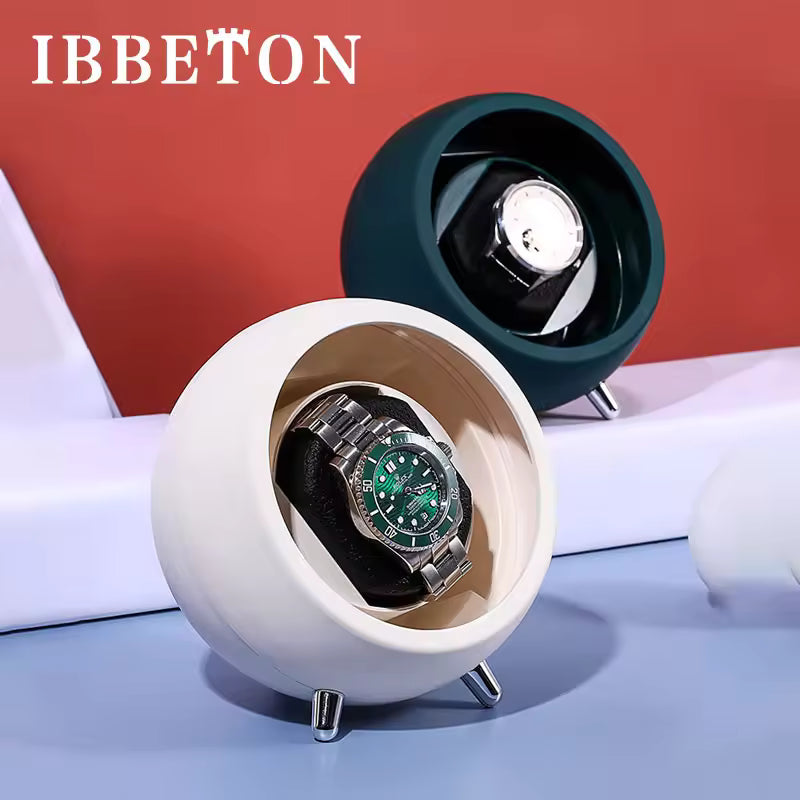
For collectors with multiple automatic pieces who rotate between them, keeping unworn watches maintained is a related consideration. Automatic watches that sit static for extended periods run down, and the lubricating oils inside the movement can settle rather than staying evenly distributed. A watch winder keeps those pieces in motion and ready to wear. Our single-slot automatic watch winder with a quiet Mabuchi motor is a straightforward option for anyone starting to build a collection. For those keeping two watches wound simultaneously, our 2-slot automatic watch winder offers practical capacity without taking up significant space.
Our broader overview of the practical reasons to use a watch winder is worth reading if you are still deciding whether one makes sense for your situation.
Have Your Watch Serviced on a Regular Schedule
New watch owners sometimes assume that if a watch is keeping good time, it does not need attention. This is understandable, but it is not quite how mechanical watches work.
The oils inside a mechanical movement are applied in very small quantities to specific points of contact. Over time, these oils degrade, dry out, or become contaminated by fine particles. When they do, friction increases between moving components, accuracy can suffer, and the wear on the affected parts accelerates. By the time these changes are noticeable to the wearer, some damage has typically already occurred.
Most watchmakers recommend professional servicing for mechanical watches every four to five years as a general interval, though this can vary depending on the specific movement, how the watch is worn, and what the watchmaker finds on inspection. A service typically involves disassembling the movement, cleaning all components ultrasonically, replacing worn parts, reapplying fresh lubricants, and reassembling and regulating the movement. Gaskets are inspected and replaced as part of the process.
For new owners who have purchased a pre-owned watch, it is worth having a watchmaker inspect it sooner rather than waiting for the standard service interval, particularly if the service history is unknown.
Understanding the warning signs that a watch needs attention sooner than expected is also useful. Our overview of signs an automatic watch may need professional servicing covers the most common indicators to watch for.

A Few Quick Additional Habits Worth Building
Beyond the main topics above, a handful of smaller habits contribute meaningfully to how well a watch holds up over time.
Be mindful of shock. Mechanical movements contain very finely adjusted components, and while most modern watches include shock-absorption systems, high-impact activities - contact sports, heavy manual work, vigorous exercise - are worth treating with care. Consider whether the watch on your wrist is the right one for what you are about to do.
Avoid extreme temperatures and rapid temperature changes. Moving suddenly from an air-conditioned environment to a hot, humid outdoor setting can cause condensation to form inside the case if seals are compromised. Heat can also thin the lubricants inside the movement, affecting accuracy and accelerating wear.
Consider a travel case when carrying watches in luggage. A quality portable leather watch roll keeps pieces cushioned and separated during transit, protecting surfaces and movements from the kinds of impacts that happen in bags and suitcases.
And finally, take a few minutes to read the documentation that came with your watch. Manufacturer guidelines for your specific movement and case will always be the most relevant reference for service intervals, water resistance details, and any model-specific care instructions.
If you have questions about the right storage, winding, or care accessories for your watch or collection, the team at Lux Watch Care is here to help.
Get in touch with us and we can help you find what works best for your timepieces.
Frequently Asked Questions
How often should I wind my automatic watch?
If you wear your automatic watch daily, wrist movement alone will typically keep it wound without any manual intervention. If it has been sitting unworn and has run down, give the crown 20 to 30 slow clockwise turns to restart it before wearing. Never force the crown past the point of gentle resistance.
Can I shower or swim with my water-resistant watch?
It depends on the water resistance rating. Watches rated at 30 to 50 metres are generally considered splash-resistant only and are not suitable for swimming or showering. A rating of 100 metres is typically considered the minimum for swimming. Regardless of the rating, water resistance degrades as gaskets age, so regular professional testing is advisable if the watch is regularly exposed to water.
Why is my automatic watch running fast?
The most common cause is magnetisation. Strong magnetic fields from everyday items - phones, laptop speakers, bag clasps - can magnetise the hairspring inside the movement, causing it to run noticeably fast. A demagnetisation service from a watchmaker corrects this quickly and affordably. Running fast can also indicate that servicing is overdue.
What happens if I don't service my mechanical watch?
Without periodic servicing, the lubricating oils inside the movement dry out or become contaminated. This increases friction between components, which accelerates wear and can eventually lead to damage that requires more extensive repair. A watch may continue to run for years past its service interval, but the internal condition will be deteriorating in ways that are not visible to the wearer.
Is it safe to store my watch next to my phone overnight?
It is better practice to keep watches away from smartphones and other electronic devices, as these can emit magnetic fields strong enough to affect the accuracy of a mechanical movement over time. Storing the watch in a dedicated watch box away from electronics reduces this risk.
How do I know if my watch has been magnetised?
The most common sign is the watch running significantly faster than usual - sometimes several minutes per day rather than the small variation that falls within normal tolerance. The watch may also become erratic. A watchmaker can test for magnetisation and demagnetise the movement as needed.
When should a new watch owner buy a watch box?
From day one, ideally. A watch box provides immediate protection from dust, humidity, and accidental knocks between wears. Even for someone with a single watch, a properly padded, enclosed storage solution is meaningfully better than leaving the watch on an open surface or in a drawer with other items.