
Key Takeaways
- Watch winders are most useful for automatic watches that sit unused for extended periods
- Infrequently worn watches can lose time and require frequent resetting without a winder
- The value of a winder depends on convenience, collection size, and watch complexity
- Proper winding helps maintain lubrication and movement consistency
- A balanced setup may include both winders and structured storage solutions
Owning multiple watches often means some are worn daily, while others sit untouched for days or even weeks. For many collectors, this raises a practical question. Is it worth using a watch winder for pieces that are not worn often?
The answer is not always straightforward. It depends on how you use your watches, how complex they are, and how much convenience matters to you.
At Lux Watch Care, we approach this from a long-term care perspective. It is not just about keeping your watch running. It is about maintaining consistency, reducing unnecessary handling, and supporting the overall condition of your collection.

What Happens When an Automatic Watch Sits Unworn?
Automatic watches rely on movement to stay powered. When left unused, they gradually stop once their power reserve runs out.
This is completely normal, but it does create a few practical considerations:
- Time and date need to be reset before wearing
- Complications such as calendars or moon phases require adjustment
- Internal lubrication remains static for extended periods
If you want a deeper understanding of this process, our guide on what happens when automatic watches are left unwound explains how inactivity affects movement behaviour.
For occasional wearers, this repeated stopping and resetting becomes part of the routine.
Where Watch Winders Fit In
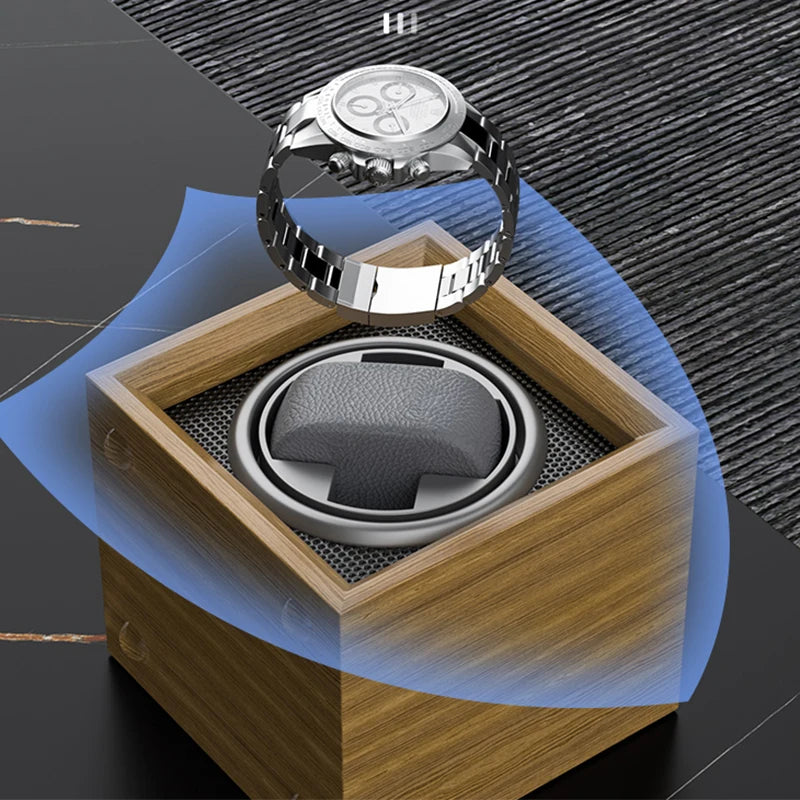
A watch winder keeps your automatic watch running by simulating wrist movement. This means your watch remains:
- Powered
- Accurate
- Ready to wear at any time
For infrequently worn watches, this removes the need for constant resetting. More importantly, it maintains a level of consistency within the movement.
If you are still evaluating whether you need one at all, our article on whether a watch winder is necessary for your setup provides useful context.
When a Watch Winder Is Worth It
Watch winders are not essential for every situation, but there are clear scenarios where they become valuable.
1. You Rotate Between Multiple Watches
If you own several automatic watches and wear them interchangeably, keeping each one running can save time and effort. Instead of resetting each piece, they remain ready whenever you choose to wear them.
2. Your Watches Have Complications
Watches with complex features such as perpetual calendars or dual time zones take longer to reset. A winder helps avoid frequent adjustments, which can reduce handling.
3. You Value Convenience
For many collectors, convenience is a major factor. Being able to pick up a watch and wear it immediately is often worth the investment.
A reliable option such as the single slot automatic watch winder with Mabuchi motor offers controlled rotation and quiet operation, making it suitable for everyday use.
When a Watch Winder May Not Be Necessary
There are also situations where a watch winder may not add significant value.
1. You Wear One Watch Consistently
If you wear the same watch daily, your natural movement keeps it wound. A winder becomes less relevant.
2. You Prefer Manual Interaction
Some owners enjoy the process of resetting their watch. It can feel like part of the ownership experience.
3. Your Watches Are Stored Long-Term
For watches that are rarely worn and stored for extended periods, proper storage may be more important than continuous movement.
In these cases, a structured storage solution can be more appropriate than a winder alone.
Balancing Winders with Proper Storage
A complete watch care setup does not rely on one solution. It combines multiple elements.
For example:
- Winders maintain active watches
- Storage protects inactive watches
- Travel cases ensure safe movement
You can explore options within our watch winder collection for active rotation, alongside secure storage in our watch box collection for pieces not in regular use.
This balanced approach allows you to care for your entire collection without over-reliance on a single method.
Does Keeping a Watch Running Help Long-Term?
This is one of the most common concerns.
A watch winder keeps the movement active, which can help maintain lubrication distribution. However, it is important to understand that watches are designed to stop and restart without issue.
The goal is not to keep a watch running constantly, but to use a winder appropriately based on your usage pattern.
If you want a deeper perspective, our article on how winders support movement functionality over time explains this balance in detail.
Choosing the Right Winder for Occasional Use
If you decide a winder is suitable, choosing the right one matters.
Key considerations include:
- Adjustable rotation settings
- Quiet motor performance
- Build quality and internal cushioning
For collectors with more than one watch, something like the 2 slot automatic watch winder provides flexibility without taking up excessive space.
For larger collections, multi-slot options allow you to maintain several watches at once while keeping your setup organised.
The Role of Routine in Watch Care
Consistency is one of the most overlooked aspects of watch care.
Even if you wear your watches infrequently, having a structured routine helps:
- Reduce unnecessary handling
- Maintain accuracy
- Keep your collection organised
This is where winders and storage solutions work together. You are not choosing one over the other. You are building a system that supports how you actually use your watches.
At Lux Watch Care, We Focus on Practical Watch Ownership
At Lux Watch Care, we understand that every collection is different. Some owners wear one watch daily, while others rotate between multiple pieces depending on the occasion.
Our goal is to provide solutions that align with real usage, not just ideal scenarios. Whether it is a precision-engineered winder or a carefully crafted storage solution, each product is designed to support long-term care and ease of use.
We believe that maintaining your watches should feel simple, consistent, and reliable.
Frequently Asked Questions
Do I need a watch winder if I rarely wear my watch?
It depends on how often the watch is used and how complex it is. If your watch has multiple complications or you rotate between several pieces, a winder can help maintain convenience and consistency. For simpler watches worn occasionally, manual winding may be sufficient.
Is it better to let an automatic watch stop?
Allowing a watch to stop is generally acceptable and expected. Automatic watches are designed to handle periods of inactivity. However, frequent stopping and resetting may become inconvenient, especially for watches with detailed settings.
Can a watch winder damage an infrequently worn watch?
A properly designed watch winder with correct settings is unlikely to cause harm. The key is to can help ensure that rotation settings match the watch’s requirements. Poor-quality winders or incorrect configurations may introduce unnecessary strain.
How often should I use a watch winder?
There is no fixed rule. Some collectors use winders continuously for frequently rotated watches, while others use them only when needed. The decision depends on your routine and how often you switch between watches.
What is the main benefit of a watch winder for occasional use?
The primary benefit is convenience. A winder keeps your watch running and ready to wear without requiring manual adjustment. It also helps maintain consistency in movement operation.
Should I use a winder for all my watches?
Not necessarily. It is often more practical to use winders for watches you rotate regularly and store others securely. This approach balances functionality with long-term care.
What should I look for in a watch winder for occasional use?
Focus on quiet operation, adjustable settings, and build quality. A reliable motor and proper cushioning help can help ensure that your watch is supported safely while being wound.